
Imagine exploring the Pyramids of Giza beneath a clear blue sky, wandering through the magnificent temples of Luxor in comfortable sunshine, or relaxing on the Red Sea coast while much of Europe experiences freezing temperatures. This is the appeal of Egypt in winter.
Winter is one of the most attractive seasons to visit Egypt, particularly for travelers who want to discover ancient monuments, enjoy outdoor adventures, and experience the country’s famous landscapes without the intense heat of summer. From the bustling streets of Cairo to the peaceful banks of the Nile in Aswan, winter offers excellent opportunities to explore Egypt at a comfortable pace.
However, winter weather in Egypt varies considerably by destination. Cairo and Alexandria experience cooler temperatures, Luxor and Aswan generally enjoy warmer afternoons, and Red Sea resorts such as Hurghada and Sharm El Sheikh offer plenty of opportunities for sunshine, swimming, and snorkeling.
Understanding the weather, average temperatures, and seasonal conditions will help you choose the best destinations and prepare for your trip.
In this guide, you’ll discover when winter starts in Egypt, what temperatures to expect, the best places to visit, what to pack, and whether winter is the right time for your Egyptian adventure.
When Does Winter Start in Egypt?
Winter in Egypt generally begins in December and continues through February, although cooler weather often arrives in November and can extend into March. Egypt has a predominantly desert climate, with mild winters across much of the country and relatively little rainfall inland.
There are two common ways to define the beginning of winter:
- Meteorological winter: December 1, continuing through February 28 or 29.
- Astronomical winter: Beginning around December 21 or 22 in the Northern Hemisphere and continuing until the spring equinox in March.
For practical travel planning, December, January, and February are the main winter months in Egypt. November and March are also popular because temperatures are generally comfortable for sightseeing.
According to Egypt’s official State Information Service, the country’s moderate winter season extends approximately from November to April, while summer typically runs from May to October.
This longer seasonal definition is useful for travelers because pleasant winter-like conditions do not end abruptly in February.
Is It Winter in Egypt Now?
As of October 20, 2026, it is not yet winter in Egypt under either the meteorological or astronomical definition.
October is generally considered an autumn month, with temperatures becoming more comfortable after the summer heat. The weather can still be warm, especially in southern Egypt and along the Red Sea.
The next meteorological winter begins on December 1, 2026, while astronomical winter begins around December 21.
If you’re planning a trip for the coming winter, December through February is an excellent period to consider, particularly if you want to explore archaeological sites or take a Nile cruise.
What Is the Weather Like in Egypt in Winter?
The weather in Egypt in winter is generally mild, dry, and sunny, although conditions vary according to geography and elevation.
The northern Mediterranean coast receives more rainfall than the interior, while southern destinations such as Luxor and Aswan usually experience dry conditions and pleasant daytime sunshine. The Red Sea coast also offers attractive winter weather, although wind can make beaches and boat trips feel cooler.
Winter is particularly appealing for sightseeing because travelers can spend more time outdoors without dealing with the extreme daytime temperatures common during the summer months.
1. Cairo and Giza
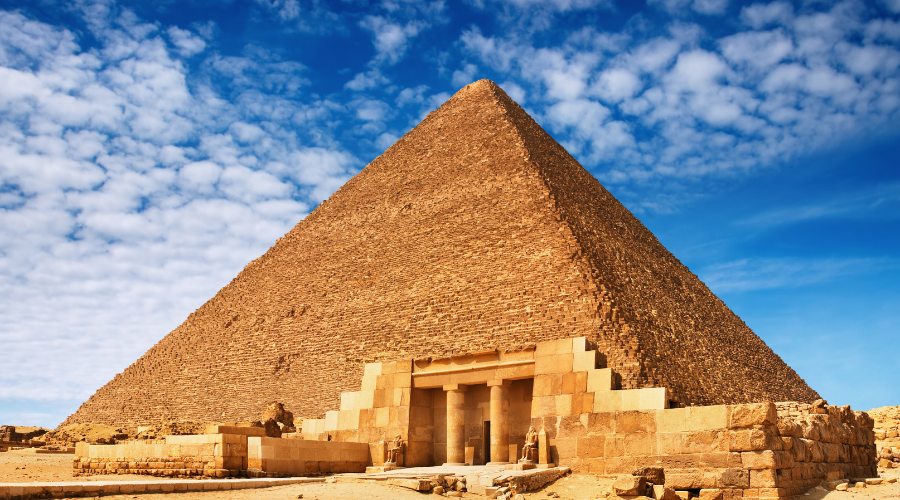
Cairo and Giza are popular winter destinations for travelers interested in Egyptian history, culture, and urban experiences.
Daytime temperatures are generally mild, making winter suitable for visiting the Pyramids of Giza, the Great Sphinx, the Egyptian Museum, historic mosques, and the traditional markets of Khan el-Khalili.
However, evenings can feel cold, especially in December and January. Cairo also experiences occasional winter rain, although rainfall remains limited compared with many European destinations.
A light jacket is usually useful during the day, while a warmer coat or sweater is advisable for early mornings and evenings.
2. Luxor and Aswan
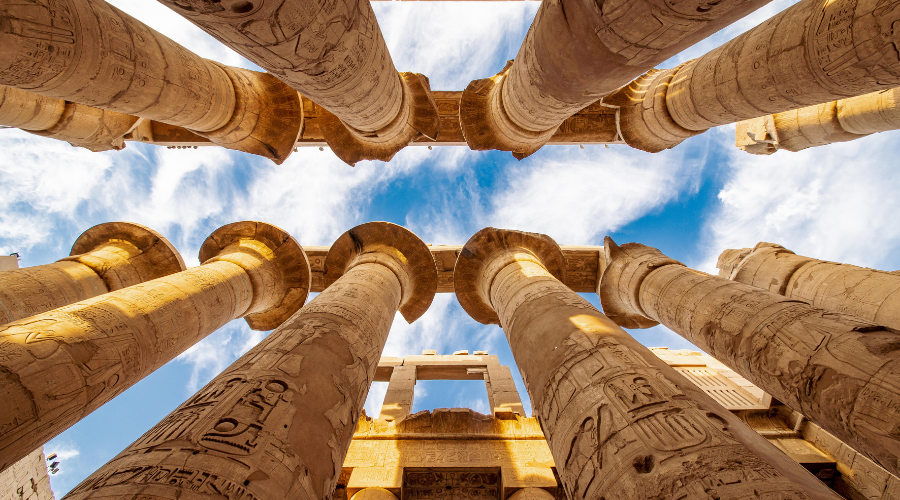
Luxor and Aswan are among the best destinations for travelers visiting Egypt in winter.
These southern cities are home to extraordinary archaeological sites, including Karnak Temple, Luxor Temple, the Valley of the Kings, Philae Temple, and Abu Simbel.
Winter temperatures make it easier to explore these attractions without the exhausting heat of summer. Visitors can comfortably spend several hours walking around temple complexes, discovering ancient tombs, and enjoying views of the Nile.
Although daytime weather is often warm, desert nights and early mornings can be surprisingly cold. Travelers planning sunrise excursions or early departures should bring warm layers.
3. Hurghada and Sharm El Sheikh
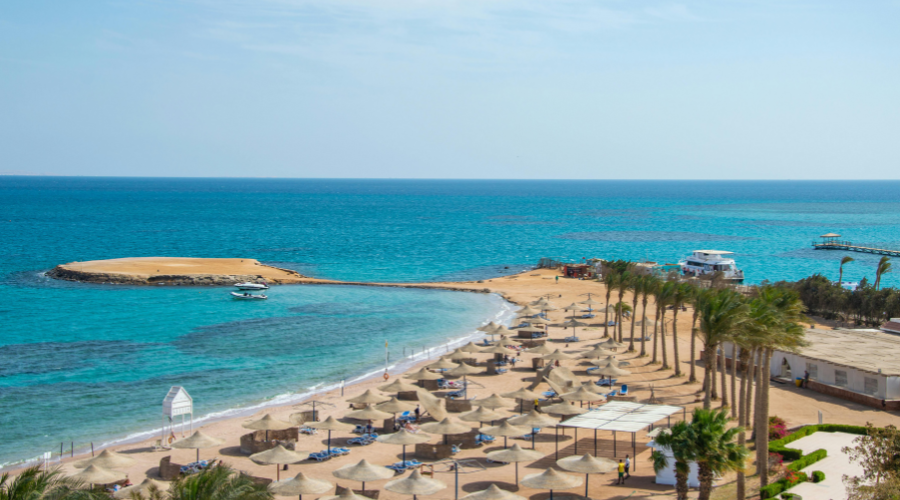
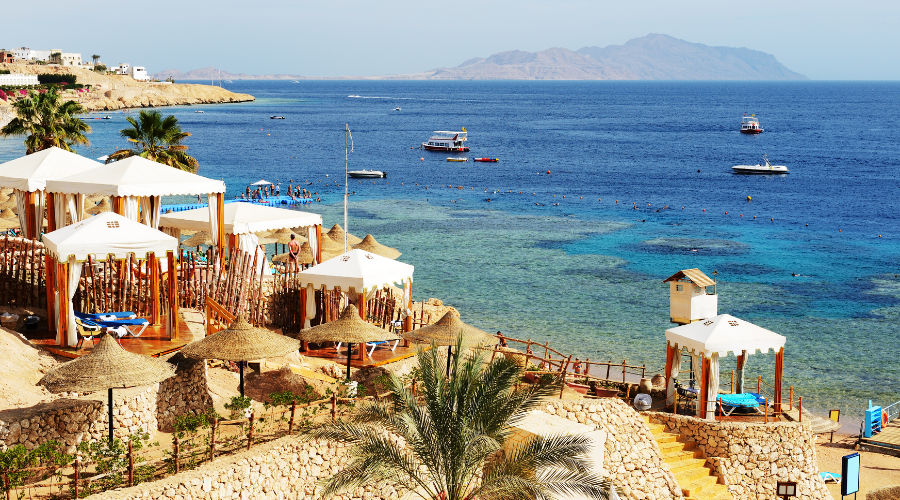
For travelers seeking winter sunshine, Hurghada and Sharm El Sheikh are excellent choices.
Both destinations are located along the Red Sea and are known for their beaches, coral reefs, diving centers, and water sports.
Winter offers pleasant conditions for sunbathing, snorkeling, and exploring coastal landscapes. However, water temperatures are cooler than during summer, and windy days can make swimming less comfortable.
A beach holiday is still possible, but travelers should check local forecasts and sea conditions before planning boat excursions or spending an entire day outdoors.
4. Alexandria and the Mediterranean Coast
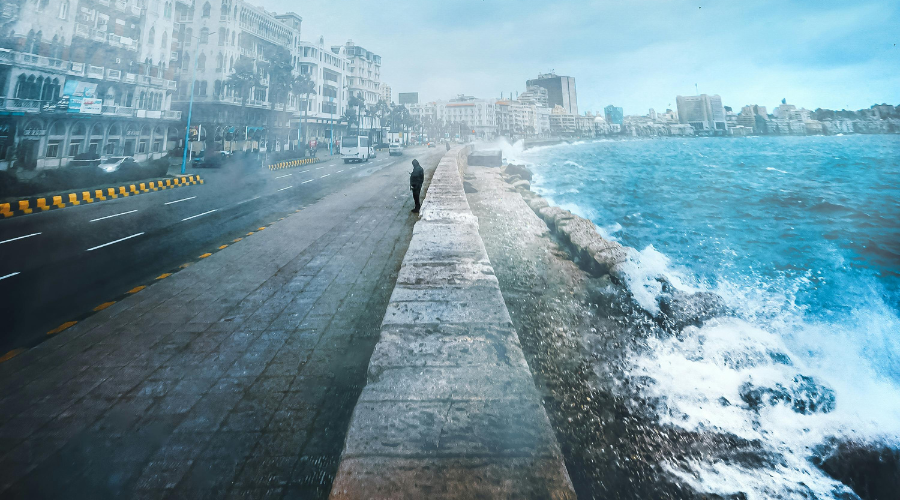
Alexandria experiences a cooler and wetter winter than much of southern Egypt.
The city combines Mediterranean scenery with historic landmarks, including the Bibliotheca Alexandrina, Qaitbay Citadel, and the Corniche.
Winter is a good time for cultural sightseeing, seafood restaurants, museums, and peaceful coastal walks. However, visitors should expect more clouds, occasional rain, and cooler winds than in Luxor or Aswan.
A waterproof jacket and comfortable walking shoes are useful additions to your luggage.
Egypt in Winter Temperatures: A Destination-by-Destination Guide
One of the most important considerations when planning a winter holiday is understanding the temperature in Egypt in winter.
Although Egypt is often associated with hot weather, winter conditions can range from pleasantly warm afternoons to chilly nights. The difference between coastal cities, inland deserts, and southern Egypt can be significant.
The following table provides approximate historical temperature ranges for December, January, and February. These figures are general planning estimates rather than forecasts for specific travel dates.
| Destination | Typical daytime temperatures | Typical nighttime temperatures |
|---|---|---|
| Cairo and Giza | 18–22°C (64–72°F) | 9–12°C (48–54°F) |
| Alexandria | 17–20°C (63–68°F) | 9–12°C (48–54°F) |
| Luxor | 22–26°C (72–79°F) | 6–11°C (43–52°F) |
| Aswan | 23–27°C (73–81°F) | 9–13°C (48–55°F) |
| Hurghada | 21–25°C (70–77°F) | 11–16°C (52–61°F) |
| Sharm El Sheikh | 22–26°C (72–79°F) | 13–17°C (55–63°F) |
Actual temperatures vary by month, weather conditions, and location. For example, January is generally cooler than February, while exposed desert areas may become colder after sunset.
For Cairo, the World Meteorological Organization’s World Weather Information Service lists historical mean daily maximum temperatures of approximately 19°C in January and 20°C in February. This illustrates why winter in the capital can feel pleasant during the afternoon but chilly at night.
Egypt in December
December marks the beginning of meteorological winter and the start of the popular winter tourism season.
Cairo generally experiences mild afternoons and cool evenings, while Luxor and Aswan are attractive destinations for exploring temples and taking Nile cruises.
Red Sea resorts remain popular with travelers seeking sunshine, although breezy conditions can affect beach comfort.
December is also a busy month because of Christmas and New Year holidays. Booking accommodation, flights, and popular excursions in advance is advisable.
Egypt in January
January is generally one of the coolest months of the year.
Cairo can feel chilly in the early morning and after sunset, while daytime temperatures are usually suitable for visiting historical attractions.
Luxor and Aswan remain excellent choices for sightseeing, with pleasant sunshine and relatively cool conditions. However, overnight temperatures in desert areas can drop considerably.
January is particularly suitable for travelers who prefer exploring archaeological sites without intense heat.
Egypt in February
February brings gradually warmer weather while retaining many of the advantages of winter.
Cairo becomes slightly warmer, and southern destinations offer comfortable conditions for sightseeing and outdoor activities.
The Red Sea coast is also attractive for travelers who want a combination of sunshine, relaxation, snorkeling, and diving.
February is an excellent month for combining Cairo’s historical landmarks with Luxor, Aswan, or a coastal resort.
How Cold Does It Get in Egypt in the Winter?
A common question among international travelers is, how cold does Egypt get in the winter?
The answer depends on where you visit and whether you’re outdoors during the day or at night.
In Cairo, nighttime temperatures can fall to approximately 9–12°C (48–54°F) during the coldest part of the season. Daytime temperatures are generally much more comfortable, often reaching around 18–22°C (64–72°F).
In Luxor and Aswan, afternoons can be warm and sunny, but nighttime temperatures may fall to around 5–10°C (41–50°F) during colder periods. Conditions vary, and occasional cold spells can bring lower temperatures.
On the Red Sea coast, winter nights are generally milder, although wind can make exposed beaches feel colder.
Can It Snow in Egypt?
Snow is extremely rare across Egypt’s major cities and popular tourist destinations. Cairo, Luxor, Aswan, and the Red Sea resorts do not normally experience snowfall.
However, high-elevation areas in the Sinai Peninsula, particularly around Mount Catherine, can experience much colder conditions. Snow has occasionally occurred in this mountainous region during winter weather events.
Travelers planning mountain excursions should check forecasts carefully because temperatures at elevation can be very different from those at sea level.
Is Egypt Warm Enough for a Winter Holiday?
For most travelers, yes.
Egypt’s winter is considerably milder than winter in many parts of Europe and North America. Visitors can enjoy outdoor sightseeing, boat trips, desert excursions, and coastal activities without experiencing the severe cold typical of northern climates.
Nevertheless, Egypt should not be treated as a uniformly hot winter destination. Packing appropriate clothing is essential, especially if your itinerary includes Cairo, desert camping, early-morning excursions, or mountain areas.
Best Places to Visit in Egypt in Winter
Winter is one of the most rewarding times to explore Egypt because it combines comfortable sightseeing conditions with opportunities for beach holidays and outdoor adventures.
Here are some of the best destinations to include in your itinerary.
1. Cairo and the Pyramids of Giza
Cairo is an essential stop for first-time visitors.
The Giza pyramid complex provides an unforgettable introduction to ancient Egyptian civilization, while the city’s museums, mosques, churches, and markets reveal different aspects of Egypt’s history and culture.
Winter is especially suitable for walking around the pyramids because the weather is usually more comfortable than during summer.
Allow at least two or three days to explore the principal attractions without rushing.
2. Luxor: The World’s Greatest Open-Air Museum
Luxor is one of Egypt’s most important archaeological destinations.
The city contains some of the country’s most impressive ancient monuments, including Karnak Temple, Luxor Temple, and the Valley of the Kings.
Winter’s moderate daytime temperatures make it easier to explore these large archaeological complexes.
For the best experience, start outdoor visits early in the morning, take breaks during the afternoon, and leave time to enjoy the Nile waterfront.
3. Aswan: Winter Sunshine and Nile Views
Aswan is particularly appealing for travelers who want warmer winter afternoons.
Highlights include Philae Temple, the Nubian villages, traditional felucca sailing, and excursions to Abu Simbel.
The city’s relaxed atmosphere makes it an excellent destination after the busier streets of Cairo.
Aswan also works well as part of a multi-day Nile cruise between Luxor and the southern Nile region.
4. Hurghada: Beaches and Water Sports
Hurghada is a strong choice for travelers looking for a winter beach holiday.
Its Red Sea location offers access to coral reefs, diving schools, snorkeling excursions, boat trips, and resort beaches.
Although the weather is generally pleasant, sea temperatures are lower than during the summer. Windy days may also make swimming or relaxing on the beach less comfortable.
Choose accommodation with suitable facilities and check the forecast before booking activities that depend on sea conditions.
5. Sharm El Sheikh: Winter Sun and Coral Reefs
Sharm El Sheikh is another popular option for winter travelers.
The resort offers access to the Red Sea’s marine life, beaches, diving sites, and boat excursions. Ras Mohammed National Park is a notable attraction for visitors interested in marine environments.
Winter is suitable for travelers who want to combine relaxation with snorkeling and diving, although a wetsuit may be useful for longer periods in the water.
6. Alexandria: Mediterranean Culture
Alexandria provides a different experience from Egypt’s desert destinations.
Its Mediterranean atmosphere, historic architecture, seafood restaurants, and waterfront scenery make it an appealing city break.
Winter is generally cooler and wetter than in southern Egypt, so it is best suited to visitors interested in cultural activities rather than guaranteed beach weather.
7. Siwa Oasis: Desert Landscapes and Tranquility
Siwa Oass offers a distinctive winter escape for travelers seeking natural landscapes, traditional architecture, and a slower pace.
Visitors can explore salt lakes, desert scenery, historic sites, and local cultural attractions.
Winter is generally more comfortable for desert excursions than the hottest summer months. However, nights can become cold, particularly in open desert areas.
Travelers should arrange reliable transportation and plan excursions with knowledgeable local operators.
What Are the Best Things to Do in Egypt During Winter?
The cooler season opens up a wide range of activities across the country.
Explore ancient monuments. Visit the Pyramids of Giza, Karnak Temple, the Valley of the Kings, and Abu Simbel in more comfortable daytime conditions.
Take a Nile cruise. A cruise between Luxor and Aswan combines historic sightseeing with views of river landscapes, villages, and agricultural areas.
Enjoy Red Sea activities. Try snorkeling, scuba diving, boat trips, or beach relaxation in Hurghada and Sharm El Sheikh.
Go on a desert adventure. Explore desert landscapes around Siwa or other established excursion areas, taking suitable precautions against cold nights and changing weather.
Discover Egyptian cuisine. Sample koshari, ful medames, taameya, molokhia, and traditional Egyptian desserts at local restaurants and markets.
Experience Cairo’s cultural attractions. Explore museums, historic Islamic Cairo, Coptic Cairo, and traditional shopping districts.
Winter is also an excellent season for photography because comfortable temperatures allow visitors to spend more time outdoors exploring architectural details and landscapes.
What Should You Wear in Egypt in Winter?
Packing for Egypt in winter requires a little planning because temperatures change throughout the day.
The best approach is to bring lightweight clothing for sunny afternoons and warmer layers for evenings and early mornings.
Essential Clothing for Winter in Egypt
- Lightweight shirts and comfortable trousers for daytime sightseeing.
- A sweater or fleece for cooler mornings and evenings.
- A light or medium-weight jacket, especially for Cairo and Alexandria.
- Comfortable walking shoes for temples, museums, and archaeological sites.
- A windproof layer for coastal excursions and boat trips.
- Sunglasses, sunscreen, and a hat for strong daytime sunshine.
- A warmer outfit if you plan to camp in the desert or visit mountainous areas.
Travelers visiting religious sites should also bring clothing that covers their shoulders and knees when required.
If your trip combines Cairo, Luxor, and a Red Sea resort, layering is especially useful. You can dress lightly during warm afternoons and add layers when temperatures drop after sunset.
Is Winter the Best Time to Visit Egypt?
For many travelers, winter is one of the best times to visit Egypt, particularly if sightseeing is a priority.
The main advantage is the comfortable weather. Exploring archaeological sites and historic neighborhoods is generally easier when temperatures are mild rather than extremely hot.
Winter also provides favorable conditions for Nile cruises, cultural tours, and many outdoor activities.
However, the best season depends on your interests, budget, and preferred destinations.
| Travel priority | Best period to consider |
|---|---|
| Ancient temples and archaeological sites | November–February |
| Cairo and the Pyramids of Giza | October–April |
| Nile cruises | November–February |
| Winter sunshine and beach resorts | December–February |
| Warmer temperatures and fewer winter crowds | October–November or March |
| Lower temperatures for desert sightseeing | November–February |
These are general recommendations rather than guarantees. Prices, crowd levels, and weather vary from year to year.
Advantages of Visiting Egypt in Winter
Winter offers several important benefits:
- More comfortable conditions for outdoor sightseeing.
- Excellent opportunities to explore Luxor and Aswan.
- Attractive weather for many Nile cruises and cultural tours.
- A welcome escape from colder climates.
- Opportunities to combine archaeological sightseeing with Red Sea relaxation.
Disadvantages of Visiting Egypt in Winter
There are also a few considerations:
- Accommodation and tour prices may increase during popular holiday periods.
- Cairo and Alexandria can experience chilly evenings and occasional rain.
- Desert excursions can become cold after sunset.
- Red Sea winds may affect beach comfort and boat excursions.
- Popular archaeological attractions can become crowded during peak travel periods.
Planning ahead can help you balance favorable weather with cost, availability, and personal preferences.
Is Egypt in the Winter Olympics?
Yes, Egypt has participated in the Winter Olympic Games, although its participation has been very limited.
Egypt’s only Winter Olympics appearance was at the 1984 Winter Olympics in Sarajevo, where alpine skier Jamil El-Reedy represented the country.
He competed in three alpine skiing events: downhill, giant slalom, and slalom. Egypt did not win a medal at those Games.
Egypt is much more widely represented in the Summer Olympics, where the country has a longer history of participation across sports such as weightlifting, wrestling, and taekwondo.
The distinction is worth noting because Egypt’s warm climate does not prevent its athletes from participating in winter sports. Athletes can train abroad, develop specialist skills, and qualify for international competitions even when their home country does not have extensive natural snow facilities.
For travelers, the question also highlights an important point: although Egypt is famous for sunshine and desert landscapes, its winter climate can still be cool enough to require warm clothing.
Practical Travel Tips for Egypt in Winter
A successful winter trip depends on more than temperatures alone. These practical tips will help you plan your visit.
1. Book Popular Attractions and Accommodation Early
December and January can be busy, especially around Christmas and New Year.
Book accommodation, domestic flights, Nile cruises, and popular guided excursions in advance if you are traveling during peak holiday dates.
2. Plan Outdoor Activities Around the Weather
Start temple visits early when possible, but bring warm layers for sunrise excursions. During sunny afternoons, carry water, use sunscreen, and take breaks when needed.
3. Check Local Forecasts Before Traveling
Historical averages are useful for planning, but actual weather can change.
Check destination-specific forecasts before departure, particularly if you plan to take a boat trip, go diving, camp in the desert, or travel to mountainous areas.
4. Allow Enough Time for Each Destination
A well-paced itinerary is usually more enjoyable than attempting to see every major attraction in a few days.
Consider spending two or three days in Cairo, two or three days in Luxor, and additional time in Aswan or at a Red Sea resort, depending on your interests.
5. Prepare for Cool Indoor Spaces
Some accommodations and indoor buildings can feel chilly in winter, particularly at night. Check the heating arrangements at your accommodation and bring comfortable sleepwear.
6. Choose Destinations That Match Your Priorities
If you prefer warm afternoons and ancient history, prioritize Luxor and Aswan. If you want beaches and water sports, consider Hurghada or Sharm El Sheikh. If museums, historic architecture, and city life are more important, Cairo and Alexandria deserve more time.
Frequently Asked Questions About Egypt in Winter
1. When does winter start in Egypt?
Meteorological winter starts on December 1 and continues through February. Cooler conditions often begin in November and can persist into March. Egypt’s broader moderate winter season is commonly described as extending from November to April.
2. What is the temperature in Egypt in winter?
Winter temperatures depend on the destination. Cairo commonly experiences daytime temperatures around 18–22°C (64–72°F), while Luxor and Aswan can reach approximately 22–27°C (72–81°F). Nighttime temperatures are lower, particularly in inland desert regions.
3. Is Egypt cold in winter?
Egypt is generally mild during winter, but it can feel cold at night and early in the morning. Cairo, Alexandria, and desert areas may require a jacket, while southern cities often have warmer afternoons.
4. How cold does Egypt get in the winter?
Nighttime temperatures in Cairo can fall to around 9–12°C (48–54°F), while temperatures in parts of the southern desert can occasionally approach 5°C (41°F) or lower during cold spells. Mountainous areas of Sinai can be considerably colder.
5. Is Egypt warm enough to swim in winter?
Swimming is possible at Red Sea resorts such as Hurghada and Sharm El Sheikh. However, the sea is cooler than during summer, and windy conditions can affect comfort. Check water temperatures and local conditions before planning extended swimming or snorkeling sessions.
6. Does it rain in Egypt during winter?
Rainfall is generally limited across much of Egypt, especially in the south. Alexandria and other northern coastal areas receive more winter rain than Cairo, Luxor, or Aswan.
7. What is the coldest month in Egypt?
January is generally one of the coldest months of the year in Egypt. Daytime temperatures remain relatively mild in many destinations, but nights can be chilly.
8. Is December a good time to visit Egypt?
Yes. December is an excellent month for visiting historical sites, taking Nile cruises, and enjoying Red Sea resorts. However, Christmas and New Year can be busy periods, so advance booking is recommended.
9. Is February a good month to visit Egypt?
Yes. February offers comfortable conditions for sightseeing, cultural tours, and many outdoor activities. Temperatures gradually begin to rise, particularly in southern Egypt.
10. Can you see snow in Egypt during winter?
Snow is extremely rare in most Egyptian tourist destinations. It can occasionally occur at high elevations in the Sinai Peninsula, especially around Mount Catherine, where winter temperatures can be much colder than elsewhere in the country.
11. Is Egypt in the Winter Olympics?
Egypt has participated in the Winter Olympics once, at the 1984 Sarajevo Games. Alpine skier Jamil El-Reedy represented Egypt in three events, but the country did not win a medal.
12. What should I pack for Egypt in winter?
Pack lightweight clothing, comfortable walking shoes, a sweater, and a jacket for cool evenings. Include sunscreen and sunglasses for sunny days. If you’re visiting desert or mountain regions, bring warmer layers.
Final Thoughts: Is Egypt in Winter Worth Visiting?
Egypt in winter is an excellent choice for travelers seeking history, sunshine, culture, and outdoor adventure. The milder temperatures make it easier to explore ancient monuments, discover historic cities, and enjoy the landscapes along the Nile.
Cairo and Giza are ideal for cultural sightseeing, Luxor and Aswan are excellent for ancient temples and Nile cruises, and Hurghada and Sharm El Sheikh provide attractive options for a winter beach holiday.
The most important thing to remember is that winter temperatures vary by region. Sunny afternoons can be pleasantly warm, while evenings and early mornings may require a jacket.
If you’re planning your first trip, consider traveling between November and February, choosing destinations that match your interests, and packing layers for changing conditions.
With the right preparation, winter can be one of the most rewarding seasons to discover Egypt’s extraordinary history and natural beauty.
Plan your winter escape to Egypt and experience its ancient wonders, warm hospitality, and unforgettable landscapes.