
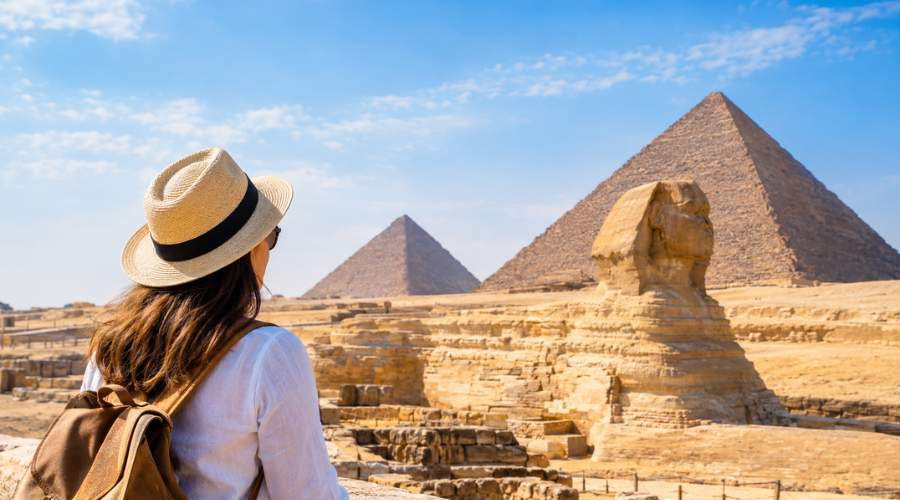
Is Egypt safe to visit? Yes, many travelers visit Egypt successfully every year, exploring its ancient temples, iconic pyramids, Red Sea beaches, and historic cities. However, Egypt is not without risks, and safety conditions vary by destination, activity, and current regional developments. Travelers should check official travel advisories before booking and again before departure.
From the Great Pyramids of Giza and the temples of Luxor to the beaches of Hurghada and Sharm El Sheikh, Egypt offers a remarkable travel experience. Understanding local customs, choosing reputable tour operators, and planning transportation carefully can help make your trip safer and more enjoyable.
This guide explains whether Egypt is safe to visit right now, which destinations are generally suitable for tourists, what American visitors should know, and how to avoid common travel problems.
Is Egypt Safe to Visit Right Now?
As of October 28, 2026, several governments advise travelers to exercise increased caution in Egypt because of terrorism risks and changing regional security conditions. The UK Foreign, Commonwealth & Development Office (FCDO) updated its Egypt travel advice on October 27, 2026, including information about regional tensions and areas where travel is discouraged. Australia also advises a high degree of caution overall, with stricter warnings for certain regions.
Sources: UK government travel advice for Egypt and Australian government travel advice.
For visitors planning a conventional holiday in established tourist destinations, the key is to distinguish between areas commonly visited by tourists and regions subject to specific government warnings. Conditions can change, so no destination should be considered completely risk-free.
Before traveling to Egypt:
- Check your government’s latest travel advisory and destination-specific restrictions.
- Confirm that your planned destinations and road routes are not in areas subject to warnings against travel.
- Monitor regional developments that could affect flights, border crossings, or local security.
- Book accommodation, transfers, and excursions through reputable providers.
- Purchase travel insurance that covers your itinerary and planned activities.
Important: North Sinai and certain border areas are subject to serious travel warnings. Do not assume that a warning about one region applies equally to every Egyptian tourist destination, but do not ignore official restrictions when planning your route.
Is Egypt a Safe Place to Visit for Tourists?
Egypt can be a rewarding destination for tourists who plan carefully and remain aware of their surroundings. Popular archaeological sites, major hotels, and established resort areas often have security arrangements intended to protect visitors. Nevertheless, security measures do not eliminate every risk.
The main issues travelers should understand include:
- Petty crime and scams: Visitors may encounter overcharging, unwanted sales pressure, and misleading offers in busy tourist areas.
- Road safety: Traffic conditions, driving behavior, and road standards can present significant hazards.
- Harassment: Some travelers, particularly women traveling alone, may experience unwanted attention or harassment.
- Terrorism and regional instability: Security risks persist, and conditions may change with little notice.
- Excursion safety: Standards vary between tour companies, boat operators, and adventure activity providers.
The US Department of State identifies crime, terrorism, health, and other security considerations in its Egypt travel advisory.
For most travelers, sensible preparation means researching destinations, avoiding restricted areas, using reliable transportation, and following advice from local authorities. A guided itinerary can also make visiting unfamiliar places easier.
Is Egypt Safe for Americans to Visit?
American citizens can visit Egypt for tourism, but they should review the US government’s current travel advisory before departure and throughout their stay. The US Department of State has identified terrorism, crime, health, and other risks in its guidance for Americans traveling to Egypt.
Americans should pay particular attention to the following precautions:
- Review official warnings. Check the US Department of State’s Egypt travel advisory for current restrictions and regional security information.
- Register your trip. Consider enrolling in the Smart Traveler Enrollment Program (STEP) to receive relevant alerts and help the US Embassy contact you in an emergency.
- Avoid demonstrations. Stay away from protests and political gatherings, which can develop quickly and attract a security response.
- Respect local laws. Rules involving photography, drones, public conduct, drugs, and sensitive government or military sites may differ significantly from those in the United States.
- Keep important documents accessible. Carry an appropriate form of identification and keep secure copies of your passport, visa, insurance details, and emergency contacts.
The US Embassy in Cairo can provide consular assistance, although its ability to help may be limited by location and circumstances. American travelers should save the embassy’s contact details before departure.
It is also important to understand that US citizenship does not exempt visitors from Egyptian law. Travelers should avoid political activities that could create legal or security problems and should never photograph military installations or other restricted sites without authorization.
Is Cairo Safe to Visit?
Cairo is one of Egypt’s most important destinations, attracting visitors to the Pyramids of Giza, the Egyptian Museum, Islamic Cairo, Coptic Cairo, Khan el-Khalili, and the city’s historic mosques.
For tourists visiting established attractions, hotels, and well-known neighborhoods, Cairo can be explored with appropriate precautions. However, its size, crowded streets, traffic, and persistent tourist scams can make the city challenging for first-time visitors.
Safety Tips for Visiting Cairo
Use reputable transportation. Arrange airport transfers through your hotel or a trusted provider. Ride-hailing services can be convenient when available, but verify the driver and vehicle before entering.
Be careful when crossing streets. Traffic can be unpredictable, and pedestrian crossings may not offer the protection visitors expect. Cross cautiously and follow local guidance.
Agree on prices in advance. Confirm fares and charges before accepting transportation, guiding, shopping, or other services. Ask whether a quoted price includes all fees.
Protect your valuables. Keep your phone, wallet, and passport secure, particularly in crowded markets and public areas. Carry only what you need for the day.
Visit major attractions with a plan. Research opening arrangements, transportation, and ticket requirements before visiting the pyramids or museums. A licensed guide can help you navigate busy sites and avoid unwanted sales pressure.
Avoid political gatherings. Stay away from demonstrations and follow local instructions if security conditions change.
Cairo’s biggest everyday challenge for many tourists is navigating busy streets and dealing with persistent vendors rather than experiencing a serious crime. Nevertheless, travelers should remain alert and use common sense.
Is Giza Safe to Visit?
Giza is home to Egypt’s most famous attraction: the Great Pyramids, the Sphinx, and the surrounding archaeological area. These sites are central to many Egyptian itineraries and receive visitors from around the world.
Tourists can visit the main archaeological attractions by following current entry rules, using official ticket channels, and arranging reliable transportation. However, the area can be crowded, and visitors may encounter unofficial guides, aggressive sales tactics, or offers involving camel and horse rides.
To improve your experience:
- Arrange a guide or excursion through a reputable company.
- Confirm the price and duration of animal rides before agreeing.
- Do not feel obliged to purchase souvenirs or accept unsolicited services.
- Bring water, sun protection, and comfortable walking shoes.
- Follow security instructions and stay within permitted visitor areas.
Giza is close to Cairo, but conditions at individual sites can change. Check local arrangements before visiting, particularly if regional security concerns affect travel plans.

Is Hurghada Safe to Visit?
Hurghada is a popular Red Sea resort known for its beaches, snorkeling, scuba diving, boat trips, and all-inclusive hotels. It is a major choice for families, couples, and travelers seeking a beach holiday in Egypt.
Is Hurghada safe to visit? Many tourists enjoy holidays in Hurghada, but visitors should still consider local security guidance, road conditions, and the safety standards of excursion operators. The fact that a destination is a resort does not mean that every activity or provider is equally safe.
Staying Safe in Hurghada
Choose reputable diving and snorkeling operators. Check reviews, equipment condition, staff qualifications, group sizes, and emergency procedures before booking. For scuba diving, use appropriately qualified instructors and follow all safety limits.
Inspect boat safety arrangements. Before taking a boat excursion, confirm that the operator provides suitable safety equipment, a clear briefing, and appropriate emergency procedures. Avoid overcrowded vessels and operators who dismiss safety questions.
Be cautious with desert excursions. Quad biking and other adventure activities can cause serious injuries. Use established providers, wear a properly fitted helmet, and follow instructions.
Protect yourself from the sun. Heat, dehydration, and sunburn can quickly affect your holiday. Drink water regularly, use sunscreen, and avoid strenuous activities during the hottest part of the day.
Use sensible precautions at night. Arrange transportation through trusted providers and avoid isolated places if you are unfamiliar with the area.
Visitors should also research any current local warnings affecting the Red Sea region. Regional security developments can influence travel advice even when the resort itself is operating normally.
Is Sharm El Sheikh Safe to Visit?
Sharm El Sheikh is another well-known Red Sea resort, famous for its coral reefs, diving opportunities, beaches, and hotels. It is located in South Sinai, where travel advice can differ from the warnings applying to North Sinai.
Sharm El Sheikh has security arrangements in tourist areas, but these should not be interpreted as a guarantee of safety. Travelers should check their government’s latest advice specifically for the resort and any planned excursions beyond it.
For a safer visit:
- Book activities with reputable tour companies.
- Follow local instructions at checkpoints and sensitive sites.
- Verify whether excursions to Mount Sinai, St. Catherine, or other areas are permitted under current advice.
- Check transport arrangements before traveling between resorts or across the peninsula.
- Monitor flight information and regional developments before departure.
Do not assume that all of the Sinai Peninsula has the same security conditions. North Sinai is subject to serious restrictions, and advice for southern coastal resorts may differ.

Is Luxor and Aswan Safe to Visit?
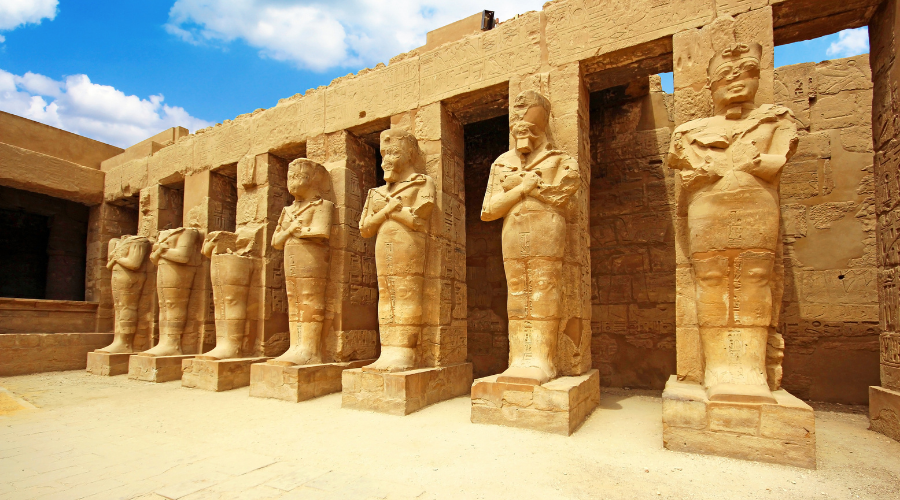
Luxor and Aswan are major destinations for travelers interested in ancient Egyptian history, temples, tombs, and Nile cruises. Popular attractions include Karnak Temple, Luxor Temple, the Valley of the Kings, Philae Temple, and Abu Simbel.
Many visitors explore these destinations on organized tours or multi-day Nile itineraries. However, travelers should check current official advice for each destination and any overland routes included in their plans.
Safety Tips for Luxor and Aswan
- Arrange airport transfers and excursions with reputable providers.
- Visit archaeological sites with licensed guides when useful.
- Carry drinking water and protect yourself from the sun.
- Confirm boat operators’ safety arrangements before joining a Nile cruise.
- Follow local advice about photography, restricted areas, and access to archaeological sites.
If you are booking a Nile cruise, review the operator’s safety procedures, emergency equipment, and recent independent feedback. Do not choose a boat solely because it offers the lowest price.
Travel between cities may involve long road journeys, domestic flights, trains, or cruise boats. Compare the safety arrangements and current travel guidance for each option before deciding how to move around Egypt.د